
A story many Malayalis will relate to
Meet Mr. Thomas.
All his life, he had relished the simple comfort of Kerala Matta rice with sambar—a combination so deeply ingrained in his routine that it was never just about hunger. It was familiarity, warmth, and something he could always return to at the end of the day.
But over the years, things began to change. Health warnings started arriving through family WhatsApp groups. Conversations with friends slowly shifted, often ending with the same suggestion: “You should reduce rice… maybe even stop it completely.”
What began as casual advice soon became a persistent doubt: Is Matta rice actually good for health? Can a diabetic eat it safely?
This is not just Thomas’s story. Across Kerala, many people find themselves caught between what they have always eaten and what they are now being told to avoid. With better access to healthcare and longer life expectancy, lifestyle conditions like diabetes, cholesterol issues, and weight gain have become more common—and food, especially rice, has come under scrutiny.
So instead of asking a harsh question like Should you stop eating rice?, perhaps we should ask something more practical: Is Kerala Matta rice good for health when eaten the right way?
What makes Kerala Matta rice different?
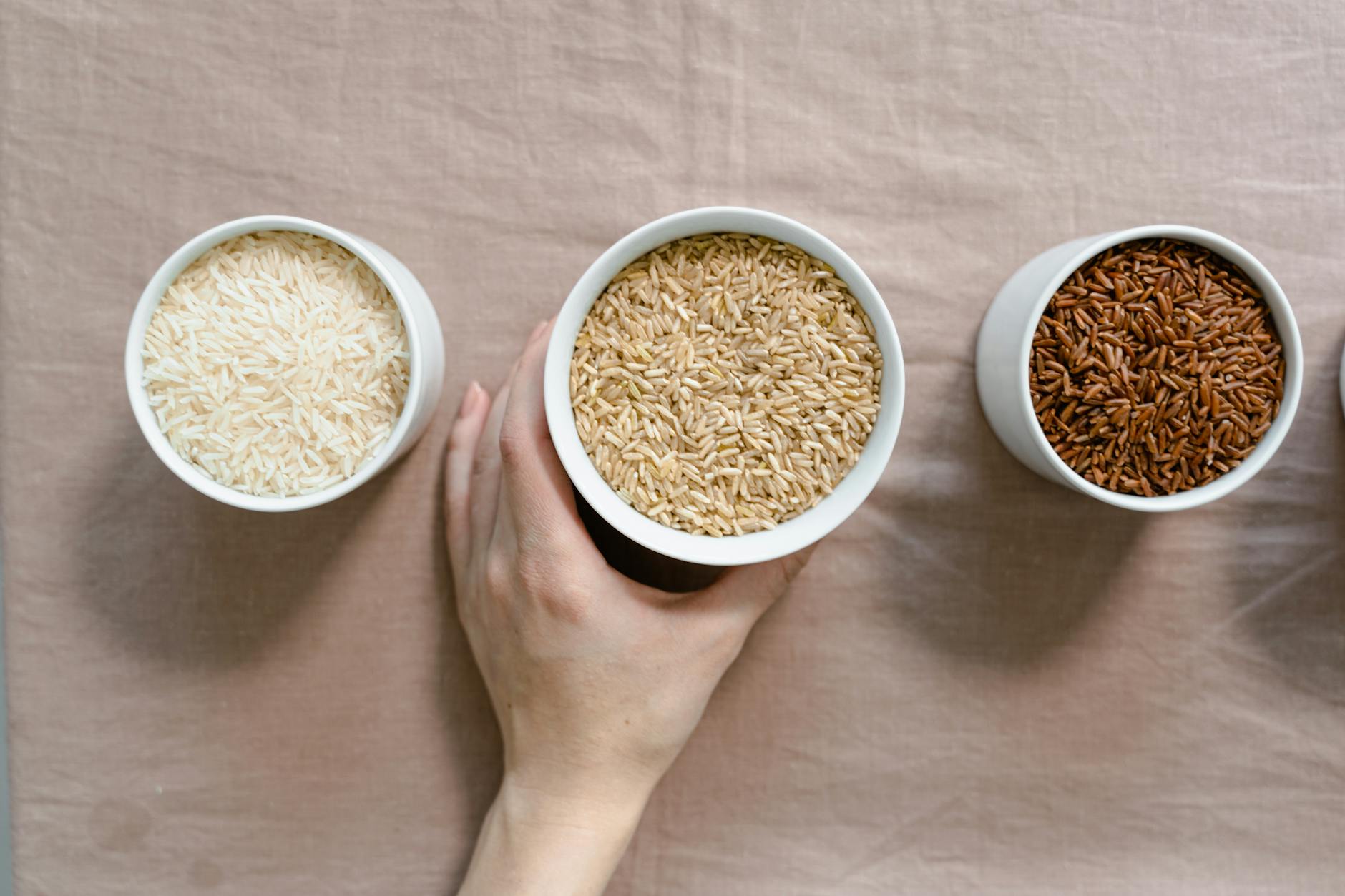
Kerala Matta rice, often called red rice, stands apart from polished white rice in both texture and nutritional value. Its reddish outer layer contains fiber, minerals, and antioxidants that are stripped away during the refining of white rice. Being less refined gives Matta rice a denser, more filling texture—one reason generations of Malayalis have relied on it as a staple that sustains energy and pairs naturally with the vegetable-rich curries common in Kerala cuisine.
Is Matta rice good for health? The balanced view
Matta rice is, without question, a better choice than white rice in many ways. It offers more fiber, retains important minerals, and is digested more slowly—which helps avoid sudden spikes in energy and hunger.
At the same time, it remains a carbohydrate-dense food. Eating it in large quantities—especially in meals where rice dominates the plate—can still lead to excess calorie intake and, over time, contribute to weight gain or poor blood sugar control.
In simple terms: Matta rice is healthy—but only when it is part of a balanced meal.
The benefits of Matta rice (when eaten right)
Its fiber content aids digestion and creates a sense of fullness that can naturally reduce overeating—especially important in a modern lifestyle where physical activity has decreased but portion sizes have not.
The presence of minerals like magnesium and potassium supports heart health and helps regulate blood pressure—something increasingly important as lifestyle-related conditions rise across Kerala.
Because it is less processed, the body breaks Matta rice down more gradually compared to white rice, helping maintain steadier energy levels throughout the day.
These benefits are most effective when Matta rice is eaten alongside vegetables and protein, rather than in isolation.
Can a diabetic eat Matta rice?
This is where most people get confused—and understandably so.
Matta rice is often seen as a “safe” alternative for people with diabetes, but the reality is more nuanced. While it does have a lower glycemic impact compared to white rice, it still contains a significant amount of carbohydrates.
For someone managing diabetes, the issue is not just the type of rice, but the portion size and what it is eaten alongside.
When Matta rice is part of a meal that includes vegetables, protein, and controlled portions, it can fit into a diabetic-friendly diet. But when the plate is dominated by rice—even Matta rice—blood sugar levels can still spike noticeably.
The real problem isn’t the rice — it’s the proportion
One of the most common patterns in Kerala meals is the imbalance in proportions. Rice often takes up the largest part of the plate, while vegetables and protein are comparatively limited. Over time, this leads to a diet that is high in carbohydrates but lacks balance.
Many people switch to Matta rice believing it solves the problem, but continue eating it in the same quantities. This is where the benefits are lost.
A simple shift in how the plate is structured—giving equal importance to vegetables and protein—can make a significant difference without forcing drastic changes.
Do you really need to stop eating Matta rice?
For most people, completely giving up rice is neither necessary nor sustainable.
Food habits built over decades cannot be replaced overnight, and trying to do so often leads to frustration or inconsistency. Gradual changes tend to work far better in the long run—reducing portion sizes slightly, avoiding second servings, or choosing lighter dinners are all small adjustments that can improve overall health without making the diet feel restrictive.
A more practical way forward
For someone like Mr. Thomas, the answer was not in eliminating Matta rice, but in understanding it better.
By slightly reducing the quantity, adding more vegetables to his meals, and paying attention to balance rather than extremes, he was able to continue enjoying the food he loved—without the constant worry that he was harming his health.
Because the goal is not to create fear around food, but to build awareness around how it fits into your life today.
Final thoughts: finding balance without losing comfort
Kerala Matta rice is not the enemy. It is also not a magic health food that can be eaten without limits.
It sits somewhere in between—where most real foods do.
When eaten mindfully, in the right portions, and as part of a balanced meal, it can continue to be part of your daily life without compromise.
And for Mr. Thomas—like many of us—the solution was not about giving up something he loved, but about learning how to live with it in a better way.
Still unsure about what to eat?
If you find yourself asking the same questions—about rice, diet, diabetes, or weight—you’re not alone. Most people don’t need extreme diets; they need clarity that fits their lifestyle.
If you’d like help building a Kerala-friendly diet that actually works for your lifestyle, reach out to our team at My Healthy Kerala and we will direct you to the best specialist who can help you. Sometimes, a small shift in understanding is all it takes to make a lasting difference.
Leave a Reply